

Genius is not always a gift visible from the beginning: it can grow from curiosity, discipline, confidence, and the willingness to improve.
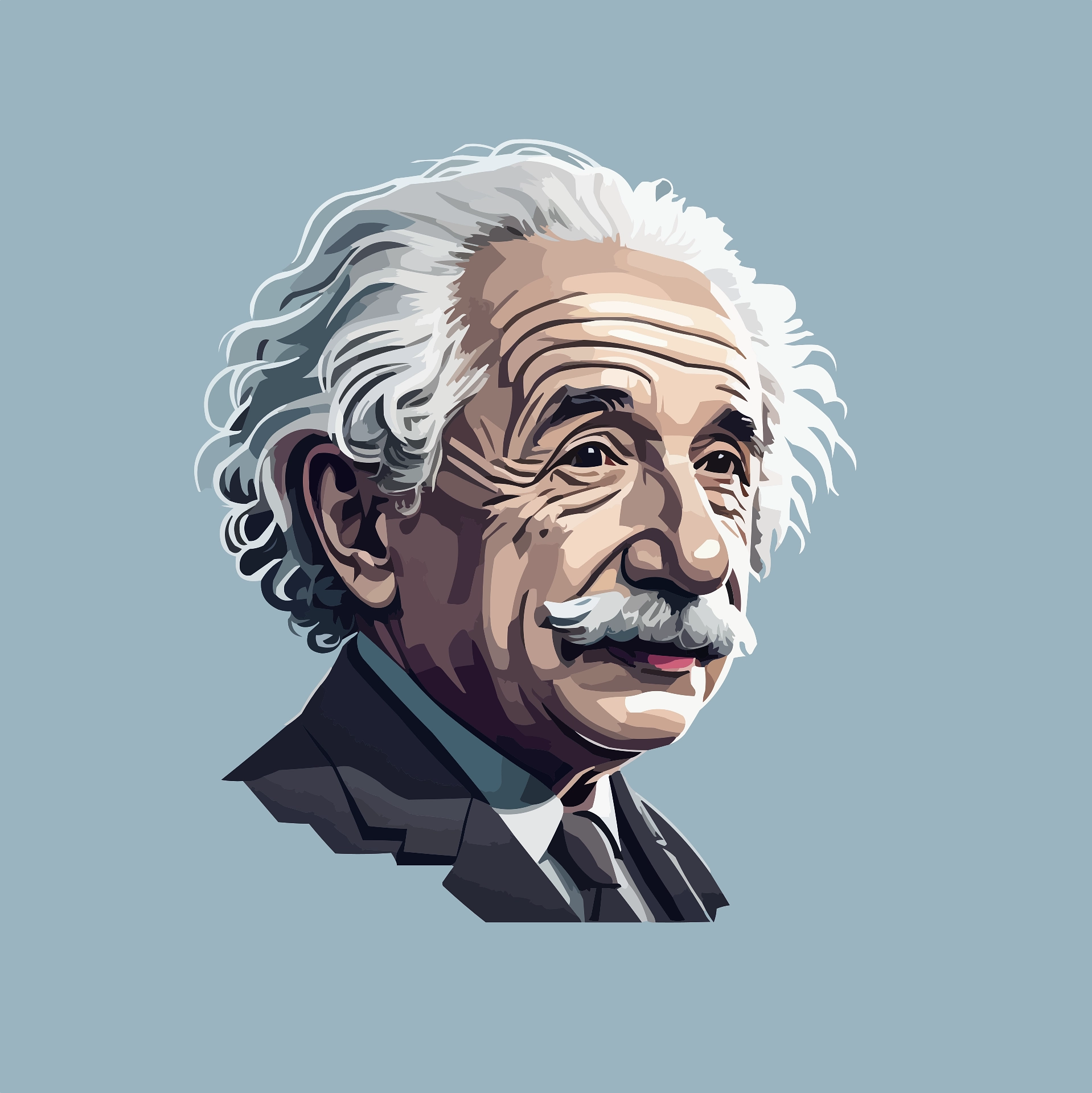
Genius Does Not Always Look the Way We Imagine
When people talk about genius, they often imagine someone who understands everything immediately, answers without hesitation, and naturally seems superior to others. This image is incomplete. In reality, many brilliant people began with doubts, mistakes, and periods when their abilities were not visible. Genius is not only ease. It is also a way of looking at a problem, staying curious, and continuing to search when the first answer does not work.
Self-Confidence Is Not the Absence of Fear
Being self-confident does not mean being certain of success every time. It means accepting the decision to begin despite uncertainty. Fear of making mistakes, being judged, or not being good enough is normal. It becomes an obstacle when we let it make decisions for us. A confident person may be afraid, but moves forward with that fear. They understand that one failed attempt is not permanent proof of inability.
Everyone Has a Form of Intelligence
Human abilities do not all appear in the same way. Some people excel at analysis, while others stand out in creativity, listening, organization, communication, problem-solving, or understanding others. Someone may be quiet in class and become remarkable when working on a problem that matters to them. They may need more time to learn without being less capable. Comparing different journeys with a single measure often causes us to underestimate talents that have not yet found the right context.
Potential Becomes Visible Through Practice
Potential alone is not enough. It needs to be transformed into concrete habits. Reading, writing, experimenting, asking questions, building projects, and starting again after a mistake give abilities a real form. Each exercise adds a small piece of evidence that we can learn. Over time, these pieces change the way we see ourselves. Lasting confidence does not come from repeating a positive sentence without action; it comes from facing a difficulty and improving despite it.
We Must Stop Waiting for Permission to Be Capable
Many people wait for an external sign before considering themselves legitimate. They wait for a degree, a compliment, a first job, or validation from a recognized person. These things can help, but they should not be requirements for starting. We often become credible by working before feeling completely ready. It is possible to learn in public, show an imperfect first version, and ask for feedback. Legitimacy is then built gradually through action rather than waiting.
Comparisons Hide Other People’s Work
We often compare our beginning with another person’s visible result. We see their finished project, confidence, and successes, but not the hours of learning, rejections, mistakes, and periods of doubt that came first. This comparison produces an unfair conclusion: others must be naturally gifted while we are behind. It is more useful to compare the present with where we were a few months ago. This measure reveals real progress and provides a more honest direction.
Becoming a Genius Means Developing Your Way of Contributing
Being a genius should not mean dominating others or knowing everything. It should mean developing a unique ability to understand, create, solve, or teach something useful. This ability can appear in technology, art, science, entrepreneurship, education, or human relationships. The question is therefore not only, “Am I intelligent enough?” It can become, “What problem makes me want to improve, and what contribution can I build over time?” This question opens a path instead of closing a door.
Confidence Is Built One Decision at a Time
Everyone can develop a form of genius, but nobody can do it for us. We must accept starting small, working consistently, and allowing results to take time. One courageous decision may be asking a question, publishing a project, learning a skill, or starting again after disappointment. These decisions may not look extraordinary when they are made. Yet they gradually shape an identity: that of someone who learns, acts, and refuses to reduce their future to present difficulties.